Interesting Facts About Barcelona:
Located on the Mediterranean Sea of the Iberian Peninsula in the northwest Catalunya area of Spain, Barcelona is recognised as home to several UNESCO World Heritage sites, ancient history, a strong authentic culture, breathtaking architecture and marvellous pieces of artwork, coupled with beautiful beaches and a lively nightlife. Some interesting facts about Barcelona include:
- Roman History: Although the founding of the city is attributed to the mythological Greek hero Hercules in Greek mythology or by the Carthaginian General Hamilcar Barca in the 3rd Century. The actual origins of Barcelona can be traced back to the Neolithic Age when the Romans established an overseas colony referred to as Barca during the Roman Emperor Augustus's reign towards the end of the 1st Century. The colony's wall was strengthened during the late Roman Empire and from the 4th century until it became Christian. The colony would later be assembled into the Umayyad Caliphate in the 8th Century and after many uprisings in the 9th Century, it would be annexed by the Carolingian Empire. This period of history led to territories being divided and the Spanish March being established.
- The Spanish Civil War: From 1937 to 1939, Spain was engulfed in a civil war after the Spanish monarchy went into exile and the Second Republic was established. With many provinces such as the Basque and Catalonia gaining virtual autonomy via many liberal reforms, the remaining monarchy, church and military clique opposed the second republic violently. Ultimately, this led to a military revolt led by General Francisco Franco in Morocco in 1936 and Spain being split into two camps of nationalists and republicans. Both camps were supported by their international allies and their civil war was used as a proxy war between their allies. In 1938 Franco travelled to the Mediterranean coast, the republican's territory was cut into two and later that year, Franco launched a major offensive against Catalonia, which resulted in it falling into nationalist hands. The republicans attempted to negotiate a peace treaty with Franco, which he declined and the nationalists marched on Madrid, which resulted in the end of the civil war on the 18th of March 1939.
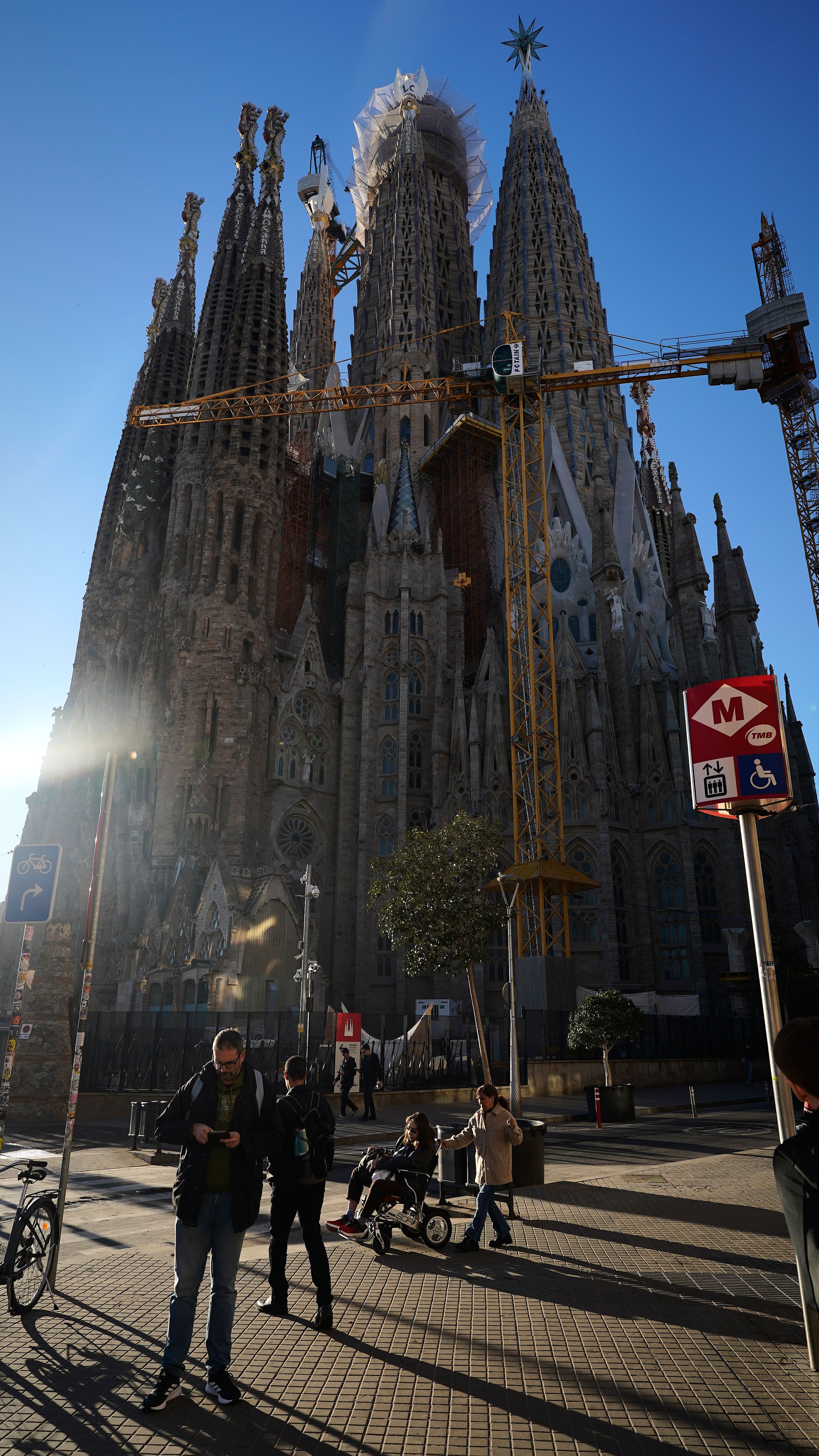
- Architecture: The cosmopolitan city of Barcelona consists of a range of buildings with their own unique character, backgrounds and breathtaking combination of architectural styles such as the Sagrada Familia. The iconic landmark was created in 1882 by Antoni Gaudi and utilises elements from architectural and engineering styles such as Gothic architecture, Art Nouveau and Modernista.
- Language: With a population of 1.6 million, the local inhabitants of Barcelona speak the two official languages of Spanish and Catalan. Catalan is a Western Roman language also spoken in the Spanish communities of the Balearic Islands, Valencia and although there many scholars debate its origins, some scholars think that it originates from the Goths as it is believed the word Catalyunia derives from Gauthia/Gothia (Land of the Goths), which comes from Catalan lords, counts and people from the March of Gothia.
- Food: Barcelona has a range of traditional renowned cuisines that it is known for such as Escalivada, Crema Catalana to Paella. Paella is a traditional Spanish cuisine that consists of Calasparra rice with stock, saffron and various meat, vegetables and seafood that originates from Valencia and was created in the 8th century by the Moors in the Albufuera wetlands.
- Sports: Like many global cities around the world, Barcelona is renowned for hosting many sporting events such as the Circuit de Catalunya which hosts motorsports events like F1 and Moto GP, the Barcelona Marathon a 200-meter swimming race that takes place at the Barcelona Old Port, which is held annually on Christmas Day and of course, it's the home to the Spanish Giants Barcelona FC who play their home games at the Spotify Camp Nou.
- Art: The metropolitan city of Barcelona has become synonymous with many artistic movements, artists and has many museums and galleries dedicated to beautiful pieces of artwork. One name which has become synonymous with Barcelona is the famous artist Pablo Picasso. Picasso with his family lived in Barcelona from 1895 to 1904 and within his lifetime and after his death, many of his artworks were donated to the Picasso Museum. A major piece of artwork on display at the museum from the Picasso collection includes The Science and Charity (Picasso, 1897).
28th/11/2024-1st Day in Barcelona:
- My journey to Barcelona started with me getting up early in the morning and walking out the door to meet my brother and cousin at the train station. As I walked towards the bus stop, I noticed how eerily quiet it was, it was pitch dark and the street lights shone on the concrete, as the roads remained very empty. After getting the bus, I met my brother and cousin at the train station to get a train to London Liverpool Street and I noticed other people dragging their suitcases to the platform and onto the train. After a 50-minute train journey, we reached London Liverpool Street, we waited a few minutes on one of the platforms for our train to Heathrow Airport, as I sat on the train, I noticed a passenger dressed in a black puffy coat, checking their luggage and coat pockets for the right documentation, he was relieved when he eventually found his passport. Anyway, after passing numerous stations we eventually reached Heathrow, checked in and immediately proceeded to get our breakfast from a nearby coffee shop before getting ready to board our flight. Unfortunately, our flight to Barcelona, originally scheduled to take off at 9:55 am was delayed until 11:20 am. As you can imagine that was frustrating, as this isn't a great omen for the beginning of a vacation and it also impacted our itinerary for the rest of the day. We later arrived in Barcelona and walked towards their customs and security, which felt like it would take forever, as the line moved slowly. After 45 minutes of waiting in the queue and getting through the necessary security protocols, we hailed a cab, placed our rucksacks in the back of the car and were driven through the traffic on the motorway to our destination, the Sagrada Familia Hotel.
- After `arriving at the hotel, later than expected due to the delayed flight we walked through the nearby streets towards the Sagrada Familia Cathedral and entered a taxi, which took us to the Picasso Museum. The Picasso Museum was founded in 1963 and holds an extensive collection of artwork such as photos, ceramics, drawings and paintings attributed to various artists and of course the 20th-century Spanish Artist Pablo Picasso. The museum was located on a side street, inside the entrance was an open courtyard with a small unused stone well located underneath the staircase. We were lucky to get in considering we were behind our schedule. The exhibition was impressive and I thoroughly enjoyed, seeing the different styles that Picasso experimented with throughout his work, which included his paintings, photographs, pottery and models. I especially enjoyed seeing the 1656 painting Vas Las Meninas (Ladies in Waiting) by Diego Velasquez and many other pieces of artwork. After 40 minutes of looking through the exhibit, we grabbed our rucksack from the nearby storage locker and explored the streets of Barcelona. We came across the Arc de Triomf, located in the middle of a small pathway and the surrounding street lamps shone near the red bricks of the monument. Built-in 1888 by architect Josep Vilaseca I Casanovas as an access gate for the 1888 Barcelona Worlds Fair, the landmark with its Moorish Revival architecture stood out in the Lluís Companys promenade and had a very imposing presence in its surrounding environment. Whilst walking through the streets of Barcelona, we passed by a Pizzaeria called Pizzeria Napoletano and ordered two pizzas and gnocchi. The smell of the food from the pizza boxes was intoxicating as we passed by the Sagrada Familia, the landmark was astonishing and magnificent to see. We then entered the lift in our hotel, proceeded towards our room and ate the pizzas in our, the Margherita pizza was delectable and somewhat chewy as the cheese fell off the base with little effort and the gnocchi was delicious as we watched TV and adjusted our schedule for the next few days to accommodate our itinerary.
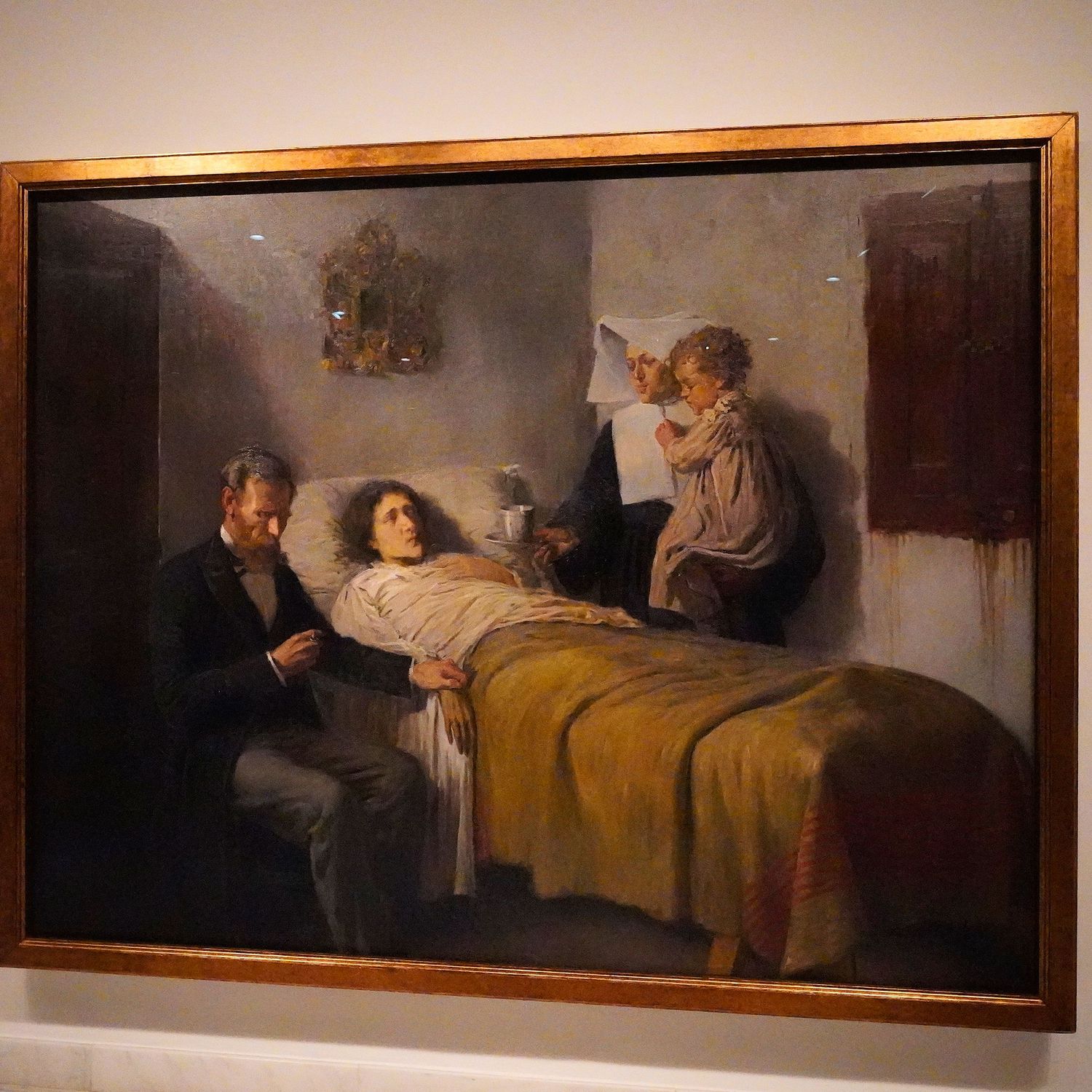
Science and Charity (Picasso, 1897), on display at the Picasso Museum in Barcelona, Spain.
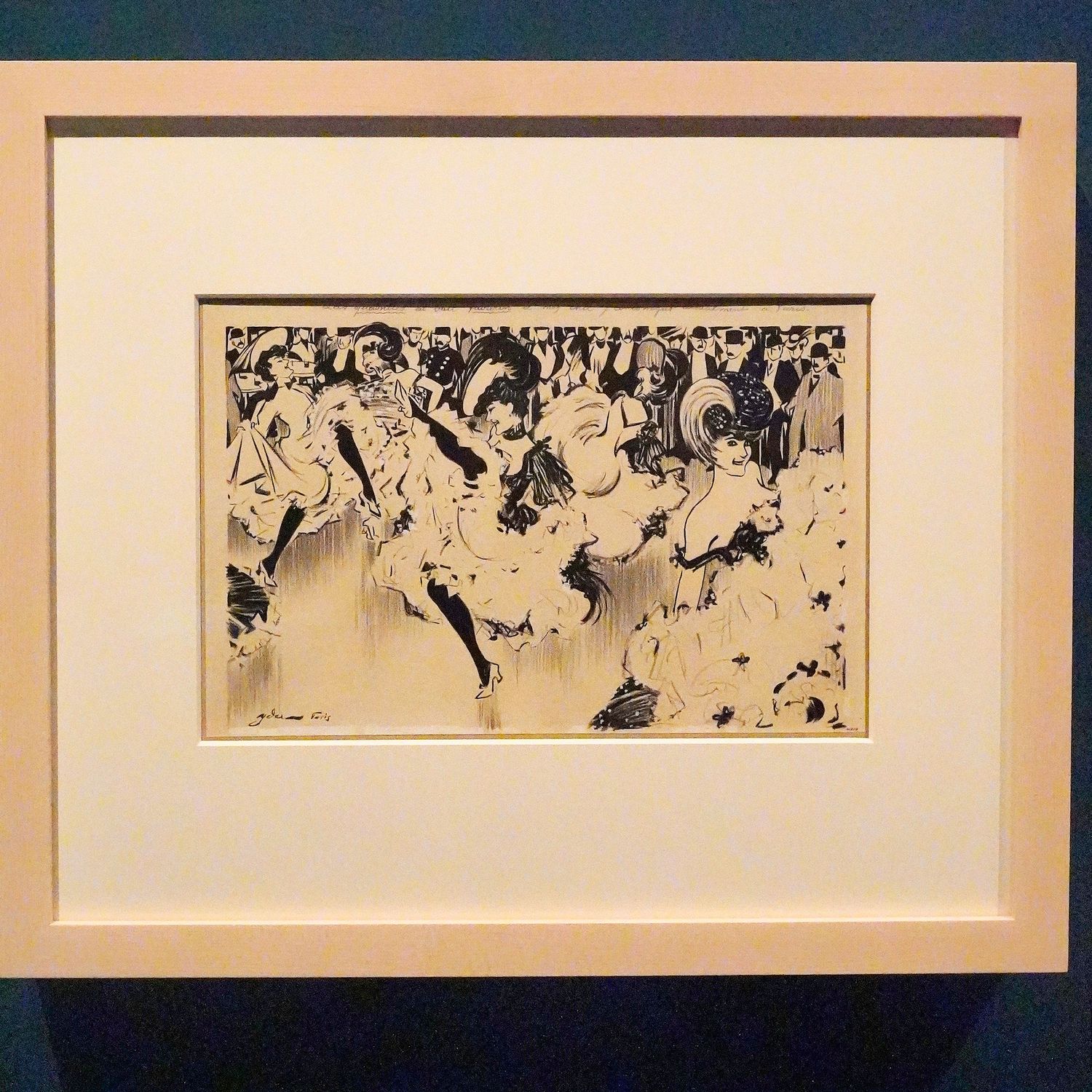
20 Century Sketch (Toulouse Lautrec) on display in the Pablo Picasso Museum in Barcelona, Spain.
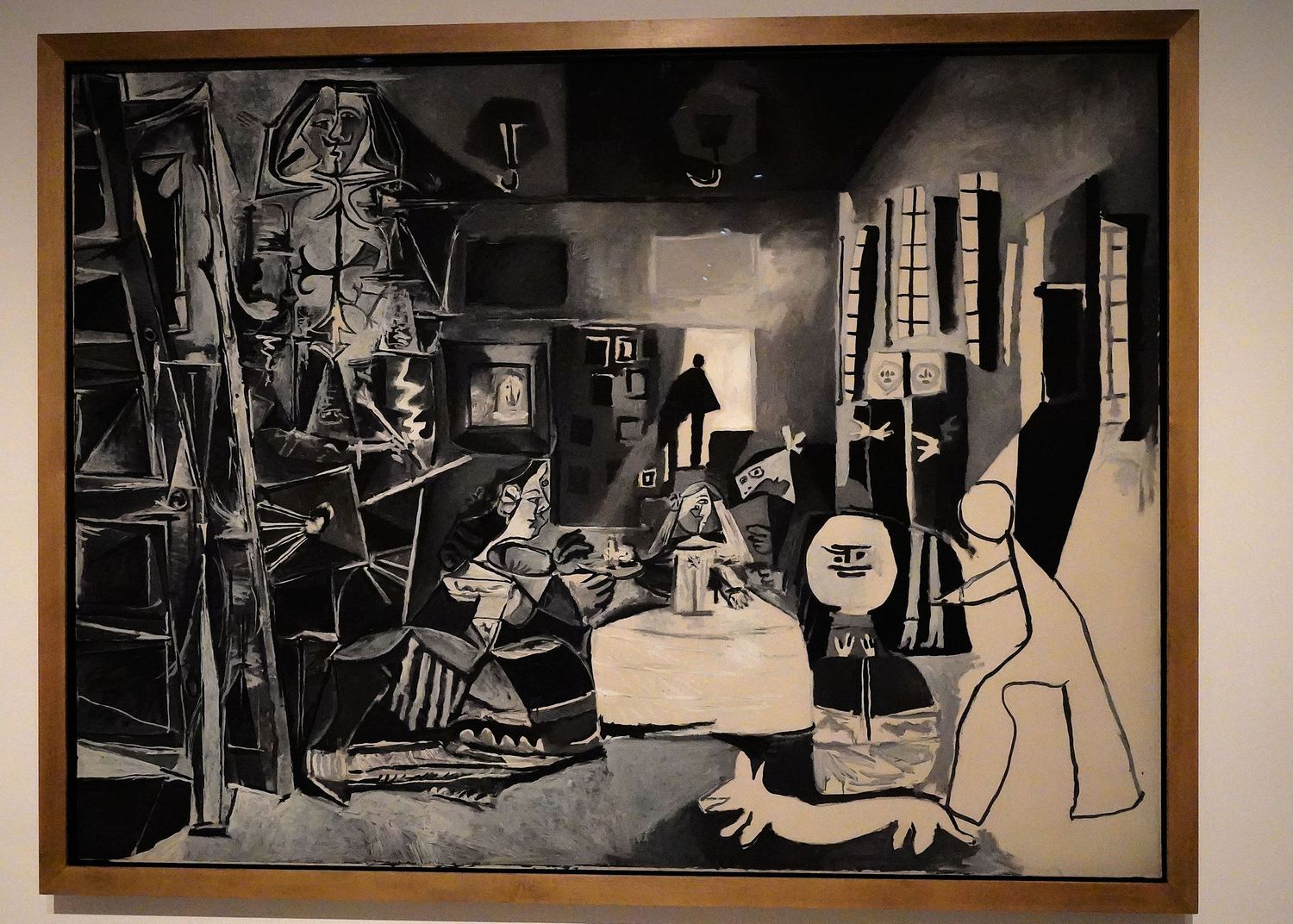
Las Meninas (Velasquez, 1656), on display in the Picasso Museum in Barcelona, Spain.
29th/11/2024-2nd Day in Barcelona:
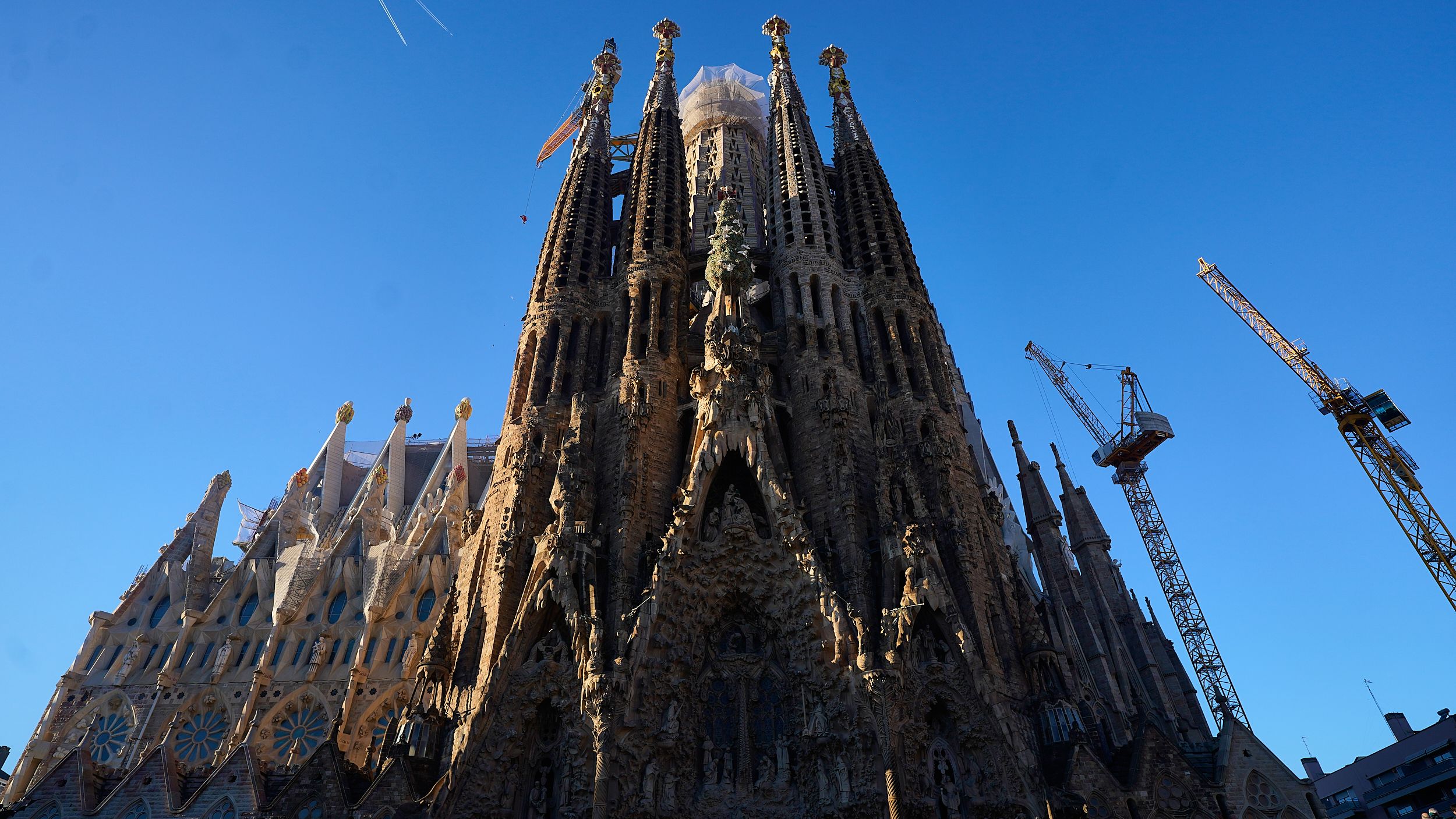
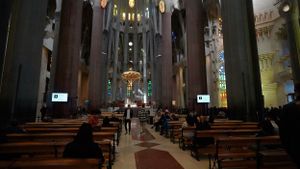
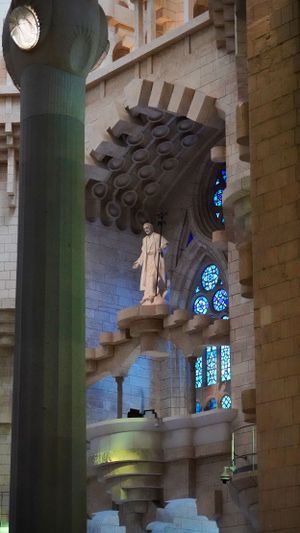
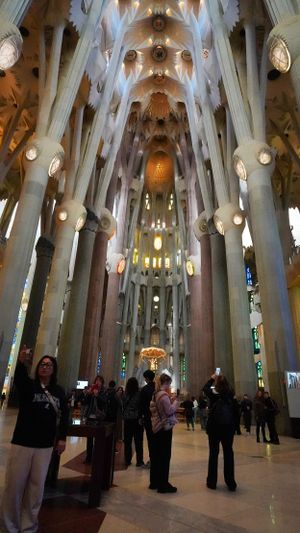
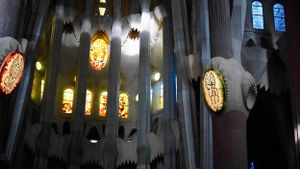
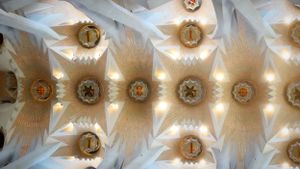
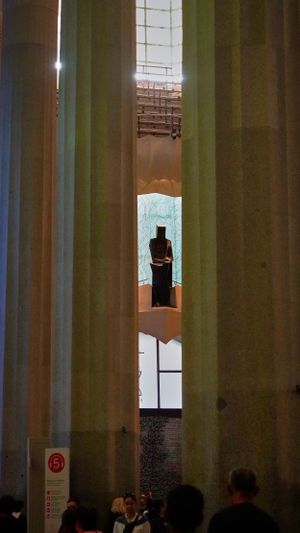
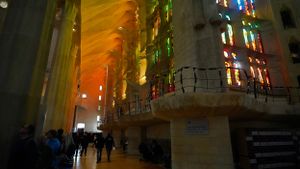
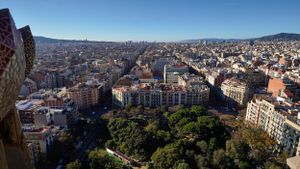
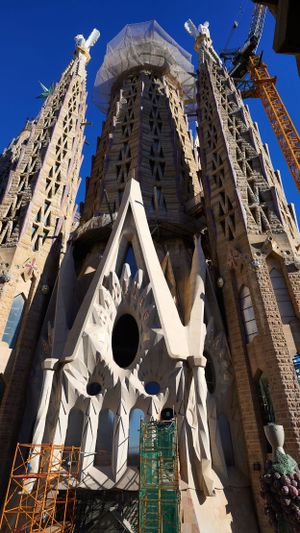
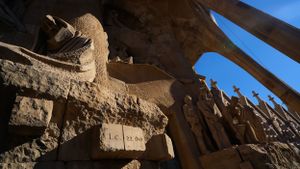
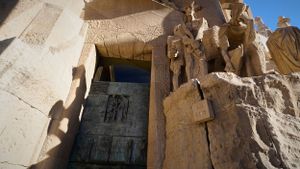
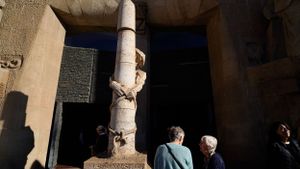
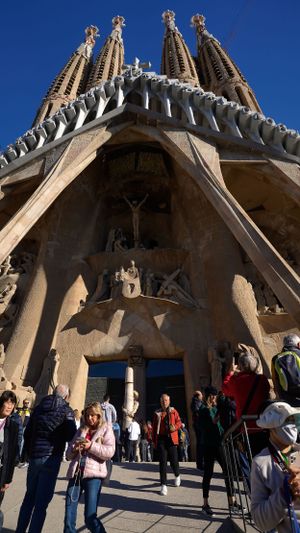
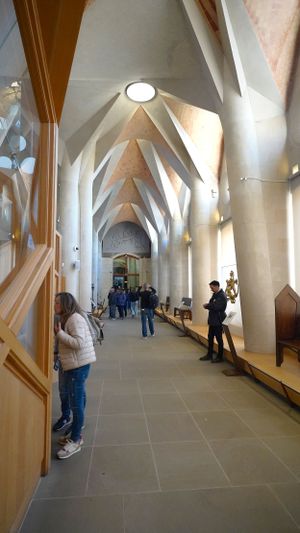
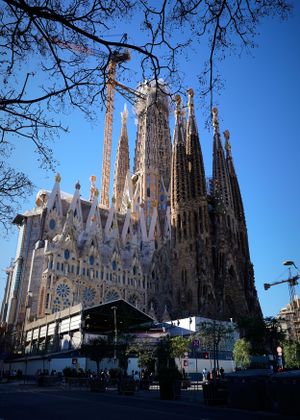
- My second day in Barcelona started with getting up early in the morning and grabbing breakfast from a nearby cafe called 365 and we left to go to the Sagrada Familia, which was a 10-minute walk away from the hotel. Construction of the cathedral started in 1882, it was originally designed by Catalan architect Francisco de Paula del Villar adhering to the rules of neo-gothic elements at the time with its ogival windows to its pointing bell tower. The project would be taken over by a rising architect called Antoni Gaudi. Gaudi would take it in another direction, which would see it transformed into the church of the future. Outside the cathedral's entrance, was a short queue of tourists and locals waiting to get inside. We got through the security check, walked upstairs and glanced at the iconic cathedral. The outside of the cathedral was incredible to see. It left me somewhat speechless with its intricate and unique combination of modernista and art nouveau architectural styles on the exterior. When I looked closer I could make out statues with references to religious figures from the bible on the exterior. As for its exterior, the best way I could describe it was as if it was like a plant sprouting from the soil and transforming into a beautiful plant, which was a magnificent sight to behold. Behind me a few feet away, were two scale models of the cathedral enclosed in glass cases. The cathedral's interior was very different from the outside, utilising a Neo-Gothic architectural style espoused by the tall columns and the ceiling featured colourful motifs. I was astonished by the statue of Christ's crucifixion on the cross above the altar, the religious figurines and the light that pierced through the stained glass windows, reflecting the various spectrums of colours onto the floor. I was also left amazed by the iconic motifs that lay situated on the floor, as many people walked over them. It wasn't until I changed camera lenses that when I looked up at the ceiling and on certain columns, I noticed colourful emblems including pictures of animals and both the body language and facial expressions of the statues on display. Inside the cathedral, I felt insignificant regarding the scale and I was also awe-struck by its overall design. Overall, it was like I had walked into a massive grand hall built for royalty or God and it also felt like I had been transported to the 16th century. In the cathedral, we went to a designated area to wait for a lift to take us up to the top of the Passion Tower. The tower contained many different sections and stairs such as a long spiral staircase and various viewpoints that provided beautiful views of Barcelona, the staircase was sometimes steep and slippery. As we got down from the tower to the base of the cathedral, we once again looked around taking this surreal experience in one last time before we headed to the cathedral's museum which had items on display, pictures & a video of the origins of the historic landmark as well as small scale models protected by glass and a gift shop.
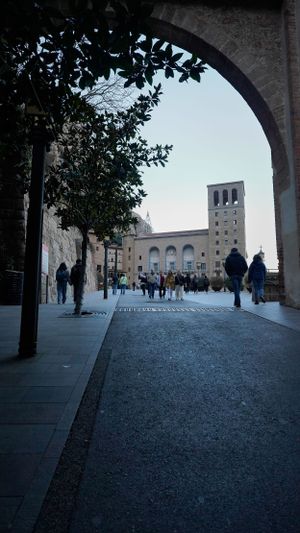
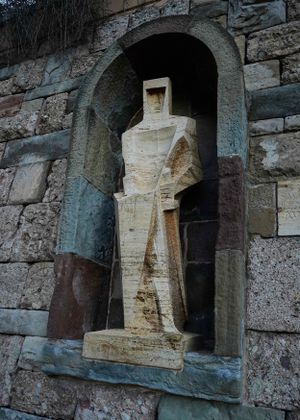
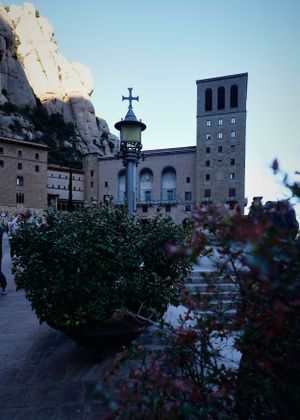
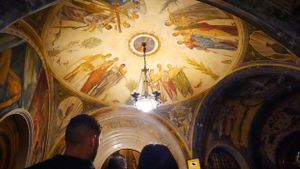
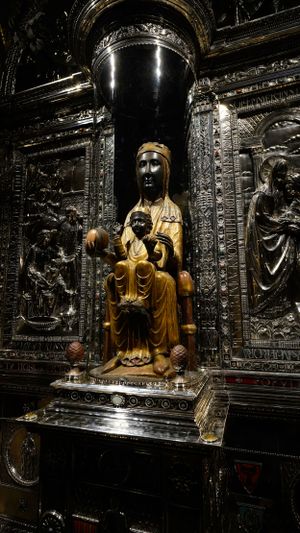
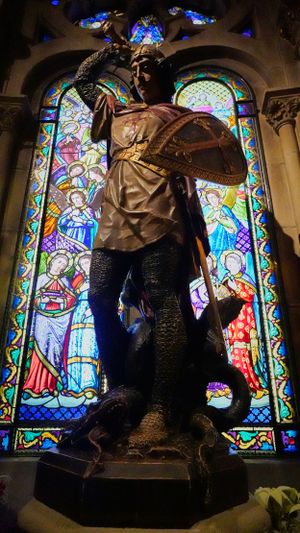
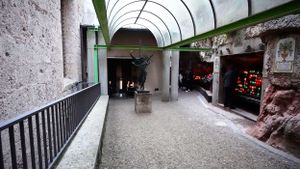
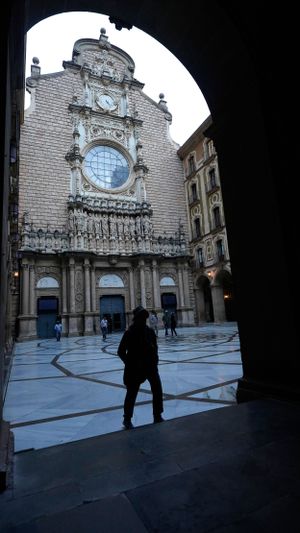
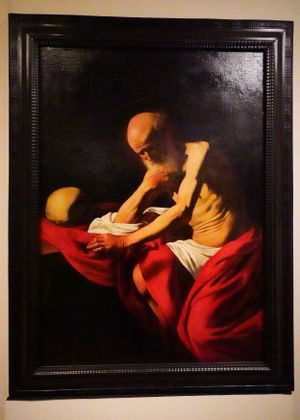
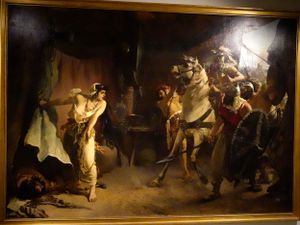
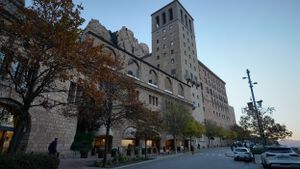
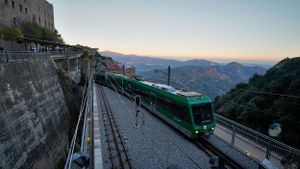
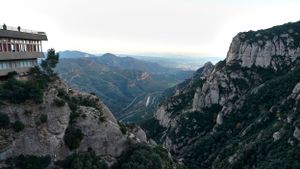
- After being in the cathedral for around 2 and a half hours, we grabbed something to eat from a local supermarket. We then headed to a bus garage to collect tickets and get on a coach towards a train station, that went directly through a mountainous region of Montserrat to the town above. Outside I stepped onto the platform, I followed my designated group through the station to a street in Montserrat, where our Spanish tour guide told us about our itinerary for our short stint in Montserrat and the meeting point for the end of the coach trip. After the talk was concluded we walked up a long pathway, passed a few tourist shops and a small amazing fountain that blended into the surrounding nature and headed up a pathway that passed under an arch and through that arch I could see the Santa Maria de Montserrat Abbey. Dedicated to the Virgin of Montserrat, the abbey was created in the 11th century and rebuilt around the 19th and 20th centuries. In addition, it espouses a combination of architectural styles such as Romanesque, Renaissance, Gothic and Eclectism. After passing through the arch, I passed by a stone statue of Saint George on my left-hand side. The statue was created by Spanish modernist sculptor Josep Maria Subirachs in 1927 in front of the Montserrat Monastery. The stone statue was fairly unique in its design and black eyes leered at me, I felt like it watching me wherever I walked within its vicinity which reminded me of the stare from the Mona Lisa held in the Louvre. I next glanced at the exterior of the Santa Maria de Montserrat Abbey, built below the rockface of the nearby mountain and at the front, laid the Plaza Santa Maria and Gothic Cloister, a square situated before the building, which featured not only statues of saints but also excellent views of the surrounding Montserrat landscape. In the distance, I also noticed a cable car that progressed up towards the top of a hill, for people to start their hike down the mountain. Anyway inside the abbey, we enjoyed getting to see a wide array of artwork such as paintings, motifs, mosaics, statues and busts of famous historical characters but what I enjoyed the most was coming across the Black Madonna statue of the Virgin Mary, with baby Jesus in one hand and an orb in the other hand. Although it is believed to have been carved in the early days of the church in Jerusalem, the wooden Romanesque statue was most likely created in the 12th century. According to the locals, the monks tried to move the statue but the sheer weight of it stopped it from being moved. This caused the Benedictine monks to construct a monastery around it and surround it with golden plates. The tour guide also stated earlier the statue is said to perform many miracles, so if you placed your hands on the orb and made a wish, she might grant you that wish and if it comes true, you should travel back to Montserrat to thank her. So, I thought I would try my luck and make a wish. After entering all the rooms accessible to the public, we hurried to the nearby Museum of Montserrat, which had an amazing collection of artwork and historical items. I was glad to see Caravaggio's 1606 painting 'Saint Jerome in Meditation' which was remarkable. I was particularly awestruck by the painting's use of light and composition. We walked quickly down a stairway outside, with a small tile roof above it with a cross on top to a gift shop for our scheduled liqueur tasting. In the gift shop, I was given the choice of either trying the cookies or tasting the 4 liqueurs from the local region. I tried the four liqueurs which had very different tastes, one tasted very thick, another one tasted very strong and lingered in the back of my throat and one was less subtle in taste but I particularly enjoyed the hazelnut beverage, which was delightful. With our time in Montserrat coming to an end, we walked towards the rendezvous point for our coach but along the way, we glanced at the beautiful landscape around the mountain range. During the coach ride, our tourist guide informed us of some interesting historical facts and a myth about the holy grail being kept in a nearby monastery. One particular viewpoint gave an excellent view of the region below, which was filled with greenery and trees, a river that flowed through the region and a town with mountains behind it, could be seen in the distance.
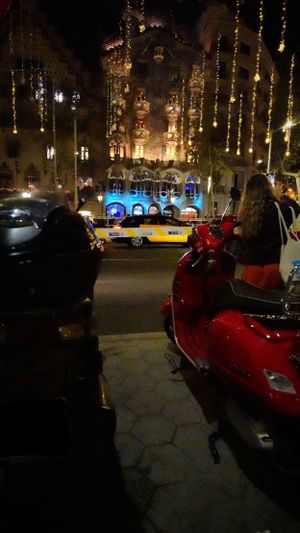
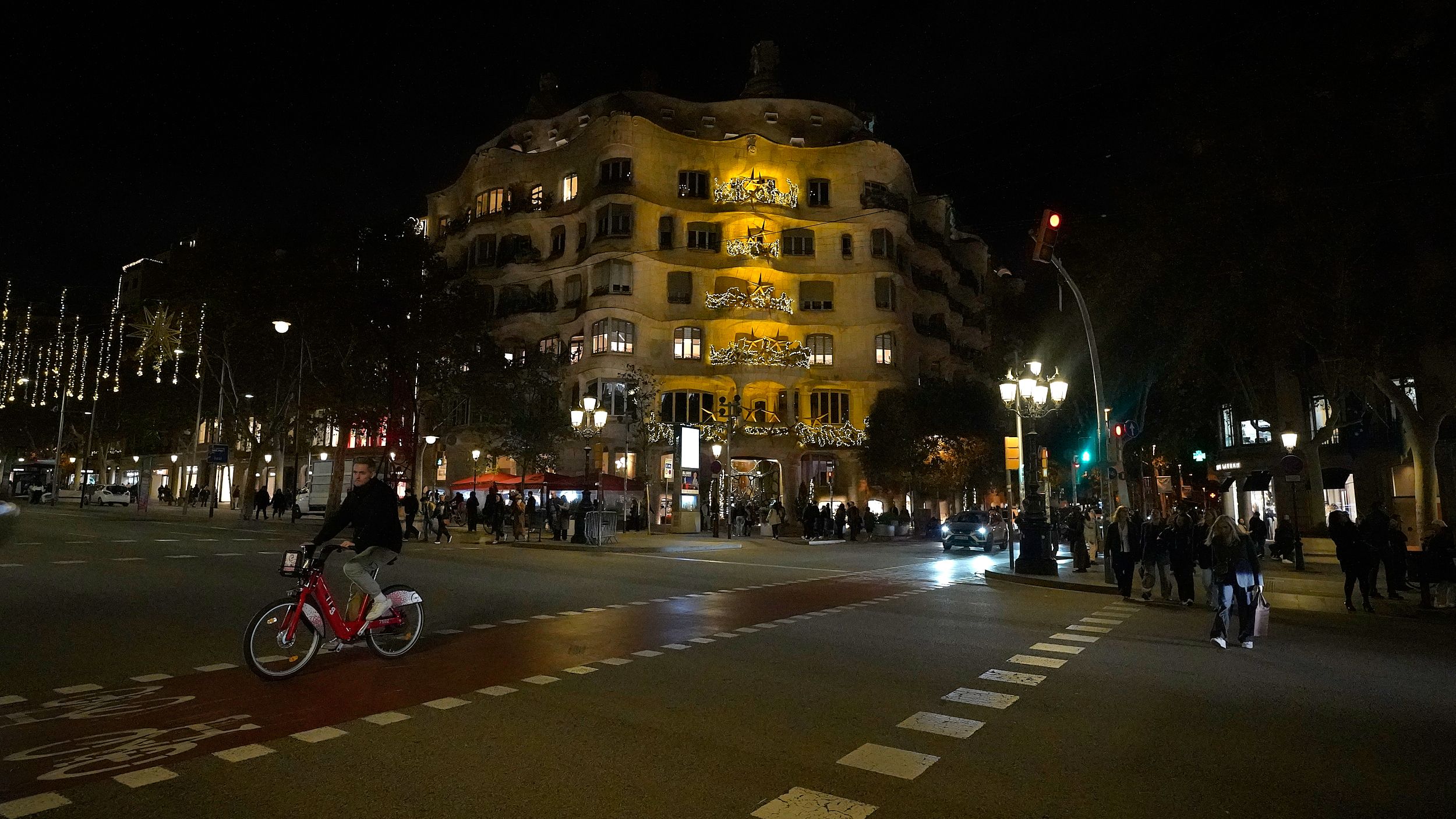
- We later arrived back at the bus garage in Barcelona around 7:30 pm, walked through the city and a busy street full of Christmas lights which resembled Oxford Street and saw the exteriors of the iconic designed Gaudi buildings of Casa Battlo and Casa Mila, before we headed back towards our hotel I again ordered a Margherita Pizza and Tiramisu from Napolitano Pizzeria but I had to wait 40 mins as they were busy, so I explored the city some more in the meantime. Whilst the others stayed at the hotel, I went and collected my meal whilst they had finished cooking it and taking it out of the large stone-baked oven. The smell as you can imagine from the pizza box was intoxicating and after I reached the hotel room, I washed my hands and immediately dipped straight into my food, the Margherita pizza was a bit greasy and the cheese was chewy but I didn't care, as the taste of the pizza alone overpowered my taste buds and the tiramisu was heavenly. Afterwards, I prepared my stuff for tomorrow and fell asleep on the comfortable bed, thinking about what to look forward to the next day.
30th/11/2024-3rd Day in Barcelona:
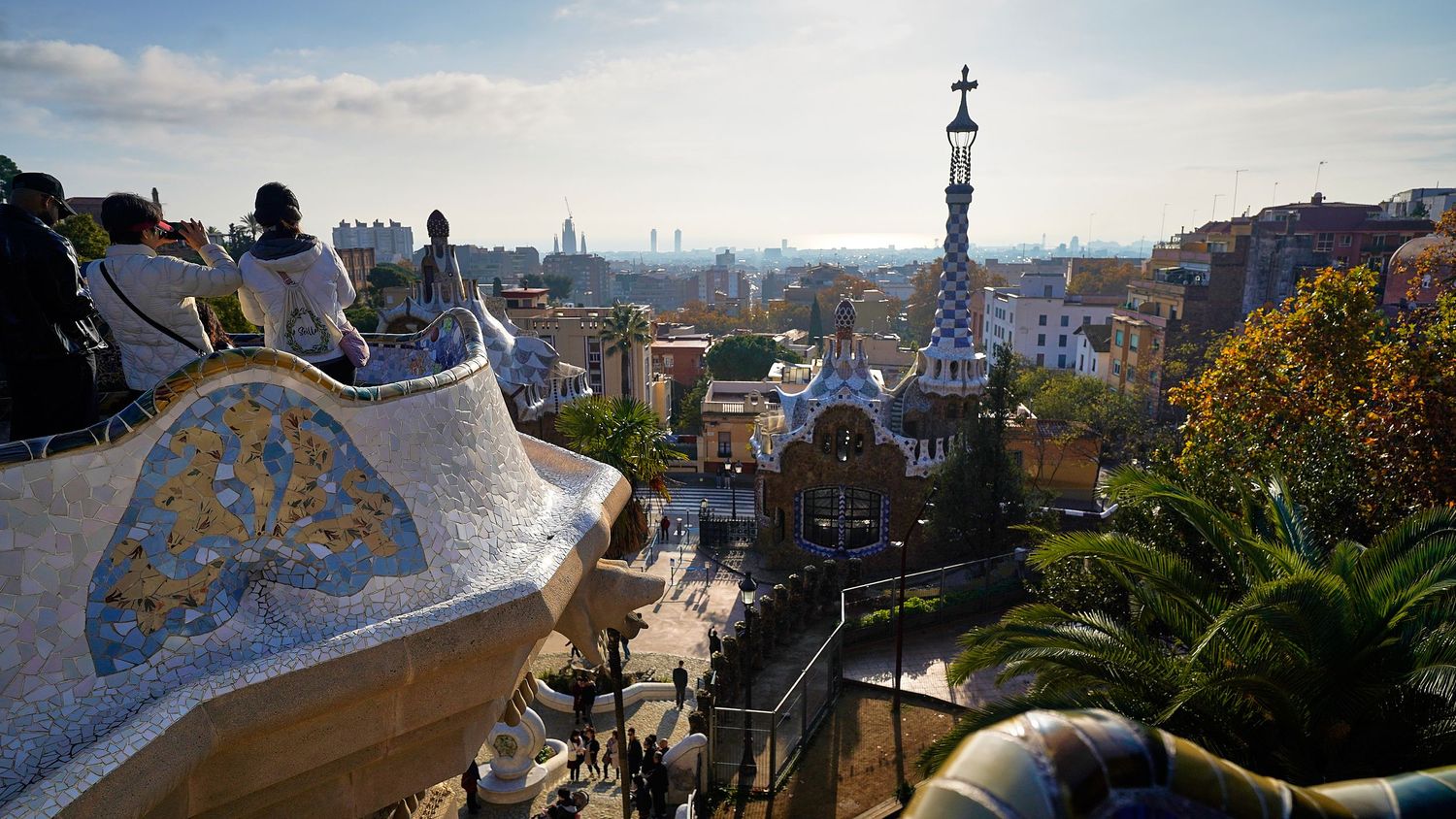
- My third day in Barcelona started with me first getting dressed, preparing my camera and grabbing some croissants, orange juice and some other pastries for our breakfast from our favourite nearby cafe before setting off on a 30-minute hike through various streets mostly uphill towards Parc Guell for our 9:00 entry into the iconic park. When we first arrived at the entrance it was fairly busy with tourists waiting to get inside, taxis dropping off passengers and it was filled with luscious and tall palm trees and plants, the sky was very clear and the sun shone bright with no sign of overcast. After being let into the iconic park, there was a multitude of choices in terms of directions to take, there were many trees, plants and buildings that I saw in the distance but we first headed to the Gaudi House Museum, as we had already booked tickets for entry into the building at 9:30 am. Originally designed by Francesc d'Assis Berenguer i Mestres around the late 19th and early 20th century with a Modernisme architectural style, as part of the Park Guell development. Antoni Gaudi would become a resident from 1906 to 1925 and the house would become accessible to the public in 1963. Along the pathway, I heard the green-feathered Monk Parakeets chirping among each other from their nests in the trees, as I passed some tourists looking at the work of caricature artists and landscape artists trying to get tourists to buy them. The paintings were very detailed and colourful. We next entered the Gaudi House Museum, the exterior was a combination of pink and red and stood tall around the environment it was located in but inside the museum featured items from Antonio Gaudi's life, a video that showed the building's historic origins and famous inhabitant Gaudi who lived there but it provided multiple good views of the park. The interior of the building was very bland and very minimalistic but after leaving the house, we headed to the Escalinata Monumental, which was a terrace on a structure below which offered outstanding wide views of Barcelona and multicoloured mosaics on the ledge, which was amazing to see and there were two buildings below. The terrace was created in 1929 by Aniceto Marinas and adheres to a Neo-Madjur architecture style. I decided to sit down behind the beautifully designed mosaic ledge to take in the surreal experience. We next walked down a few steps through the columns of the Hypostyle Room, which mirrored Greek/Romanesque columns, down a few steps passed the beautifully sculptured multicoloured mosaic salamander and then looked upon the two buildings of the porter's lodge and the gift shop. Both buildings were designed in a Catalan Modernism architectural style and the best way I could describe them is that they were very uniquely designed buildings, it was as if the two buildings were designed for the gingerbread man to live in if he was real or that the architects, who designed the houses were inspired by the house from the fairytale of Hansel and Gretel. We then strolled to the observation deck of the Turó de les Tres Creus. Along the way, I passed two musicians playing instruments and a child started dancing. The musicians were clapping for him and there was a group of seven to ten women, dressed in casual attire, wearing red berrets listening and dancing as well. They certainly looked like they were having a good time. The pathway to the observation was very steep and was very exhausting to climb but once I got there I saw this big observation deck, with two crosses made from stone on top and a middle-aged musician played his silver guitar, as people dropped money into his guitar case. From that location, I got an excellent view of the surrounding park, which was amazing to see. We then walked down to the Pòrtic de la Bugadera, which consisted of a few columns, a musician was sitting down by a desk trying to sell her CDs, the location was very packed with people so I left after a few minutes. After that, we had one last look around the entrance of the park, before heading to our hotel for some lunch.
- After eating lunch, we got a cab straight to the Barcelona Game at the Lluís Companys Olympic Stadium, with a seating capacity of 55,000 which was created by Pere Domenech i Roura in 1927 for the 2nd Worlds Fair held in Barcelona. The iconic stadium is currently being used by Barcelona FC as construction work is ongoing at Camp Nou. Due to the ongoing traffic, we left our cab early and walked the remaining distance to the stadium. Once we walked through a nearby park, there was the stadium in front of us, the stadium was massive, horns were being blown by fans and Barcelona flags were being waved in the air, some people queued up to get some Barcelona FC memorabilia from the store but I first headed straight to one the entrances into the stadium. We got into the stadium fairly quickly, after progressing through the necessary security protocols which was much easier to get to then compared to Wembley Stadium. We were immediately provided Barcelona FC flags for the match but as I walked to our seats, I saw fans taking photos near the pitch and fans enthusiastically waving their flags in the air and the atmosphere was very relaxed. Once the game started the atmosphere of the fans instantly changed, fans were belting out songs of the club, and I wondered what type of game I would see. From the onset of the match, Las Palmas had the upper hand, they weren't giving the Catalan giants any respect, Las Palmas players who were wearing a bright yellow and slightly coloured blue kit, were in the faces of the opposition the whole time and running the Barcelona players ragged, which disturbed Barcelona's gameplan. There were a few warnings from both sides before Las Palmas took the lead via Sandro Ramirez, which silenced the Barca fans quickly. Barcelona would later come back to make it 1-1 via a Raphina strike from outside the box. Barcelona at times looked disjointed and befuddled on how to break down the opposition's defence at times and I could see Barcelona manager Hansi Flick being very agitated by his team's performance. The Barcelona fans were growing restless and encouraging their team to raise their game and improve the deficit they found themselves at, whereas the small section of Las Palmas fans high up in the left-hand side of the stadium were jumping up and down enjoying themselves. Their enjoyment would increase in the second half with a decisive strike from Fabio Silva in the penalty box after getting in behind Barca's defence. The defenders were left frustrated and puzzled at how the game had played out, Barcelona would come close to scoring but all those efforts would be mostly saved by the Las Palmas goalkeeper Cillesen. Although I would've liked to have seen Barcelona FC win, this wasn't the case and I guess that's why they call football the beautiful game because it isn't predictable but the game was very fluid, eventful and fast-paced game to watch. Overall, Las Palmas were the better team and deserved the victory. We then dispersed from the stadium into a large crowd of supporters, which headed towards the National Art Museum of Catalonia. The museum was created by Carles Buigas and Enric Cata i Cata, in 1934. The building exterior is brown, has a large dome on top and adheres to an Ecelecticism style. Outside the museum, it was very dark, there was a huge number of supporters and tourists around its steps and from a nearby ledge I saw an excellent view of its sights such as the Magic Fountain of Montjuïc, which wasn't working as it had been temporarily closed at the time and in the distance were the Torres Venecianes monuments, two gigantic red coloured brick towers that were heavily influenced in design by St Mark's Tower/Campanile in Venice. The Venetian-inspired towers situated in the Avinguda de la Reina Maria Cristina junction with the Placa d'Espanya were created around 1927 to 1929 by Ramon Reventos and created in mind with a historicist architecture style for the 2nd Worlds Fair held in Barcelona. We then entered the museum with around only 45 minutes left to see as many exhibitions as possible within that timeframe before the museum closed. Many of the exhibits featured artwork attributed to both Spanish and Catalonian history, from various integral eras of time. Afterwards, we walked back to our hotel, passed the Sagrada Familia, bought some Spanish chocolate from a nearby gourmet grocery store called Torrons Vicens Traditional Deserts and ate some food in our hotel room before calling it a day.
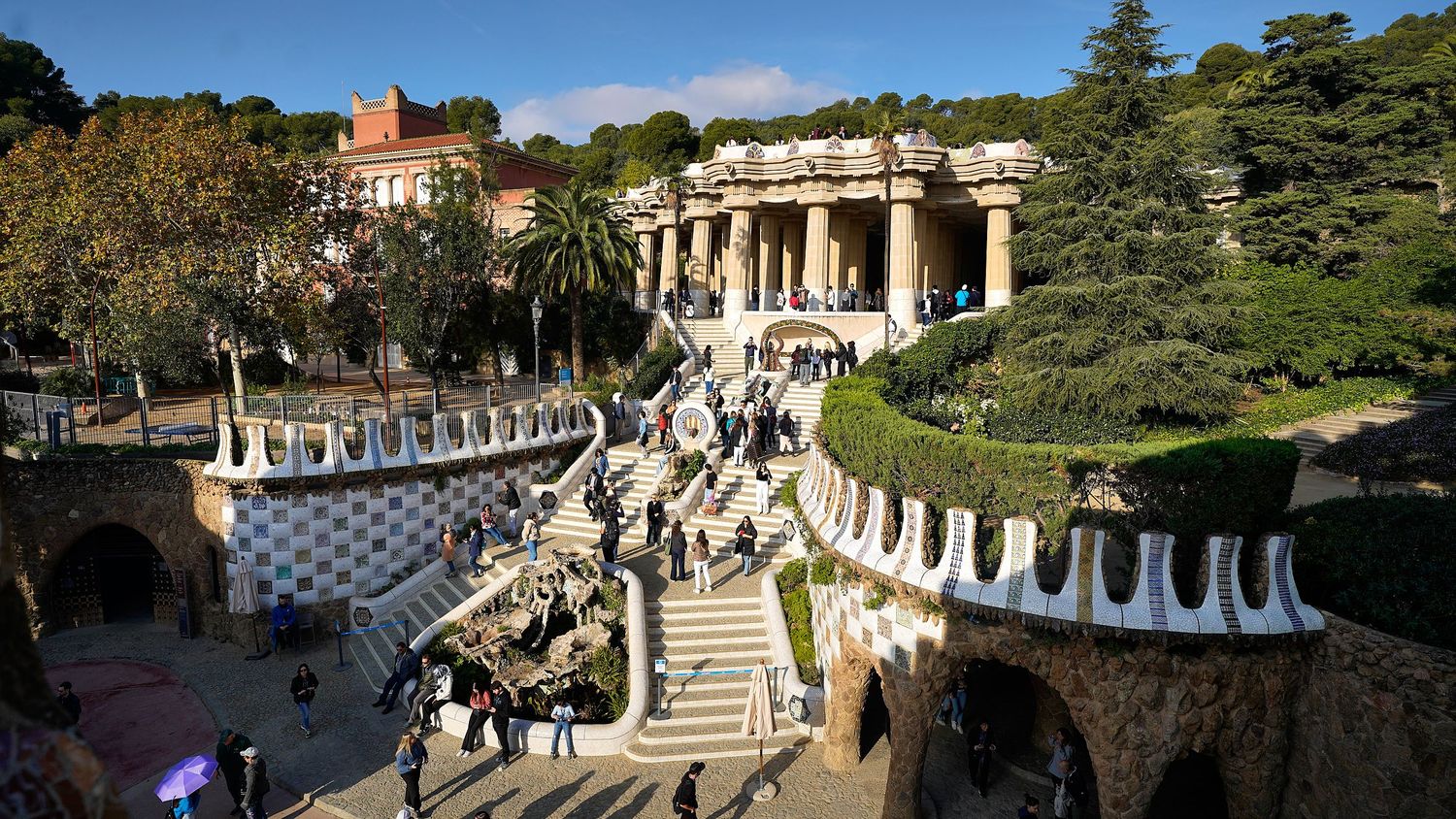
People walk down The Dragon Stairway (Front), congregate in The Hypostyle Room (Middle) & Terrace (Top) in Parc Guell, Barcelona, Catalonia, Spain.
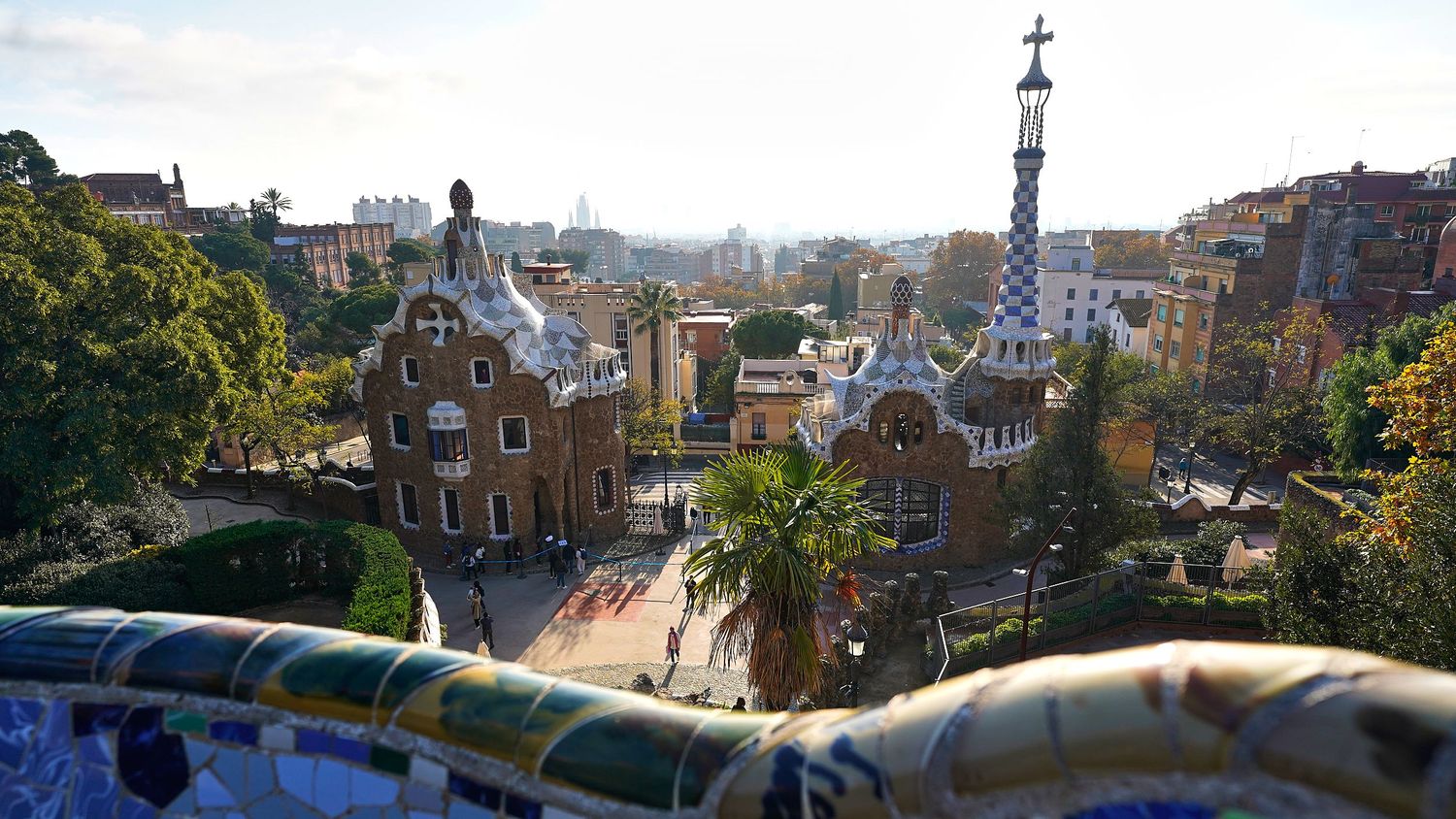
Panoramic view of the Parc Guell Entrance in Barcelona, Spain.
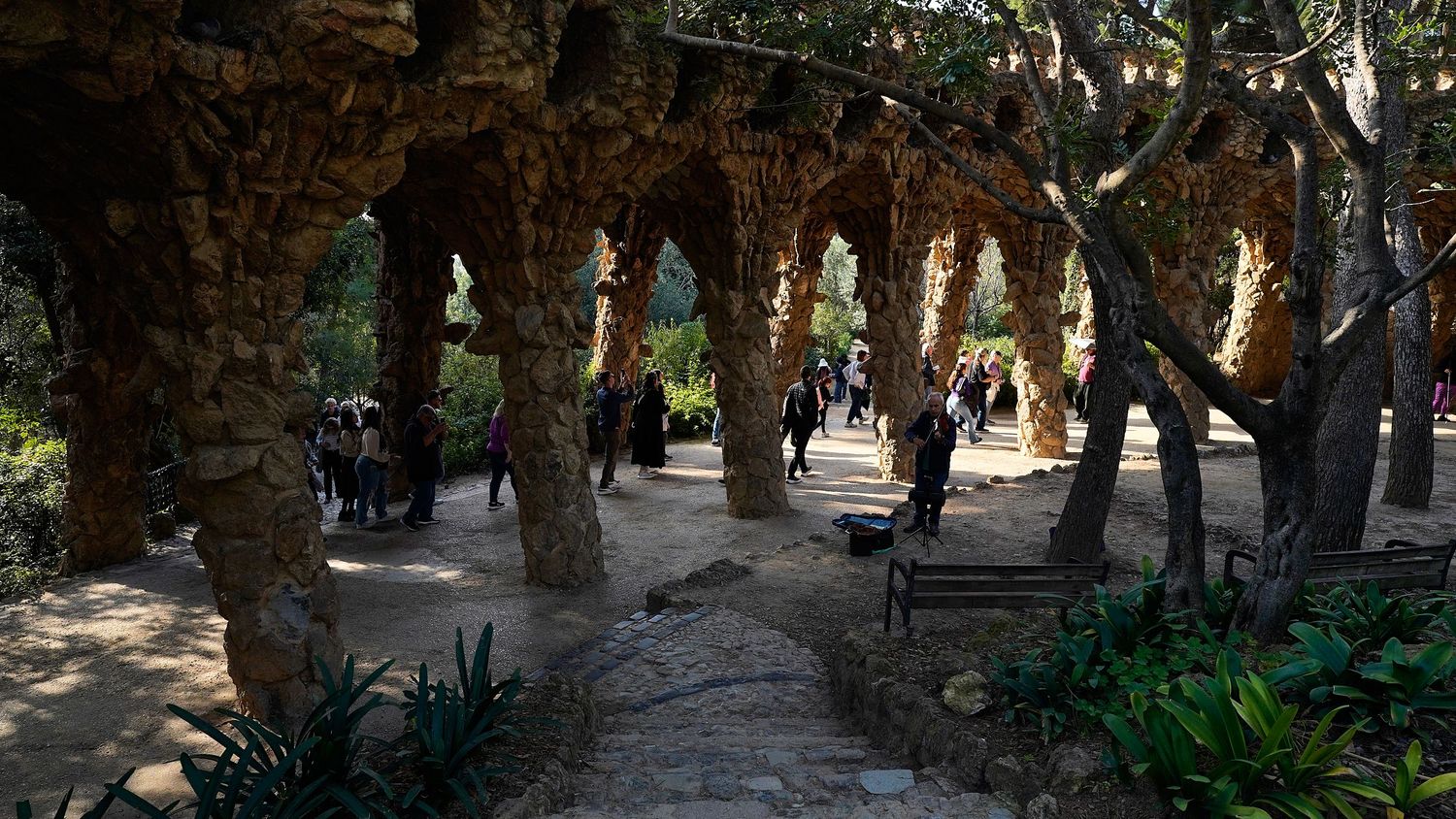
A small crowd gathers to watch a violinist play under the Roadway in Parc Guell, Barcelona, Catalonia, Spain.
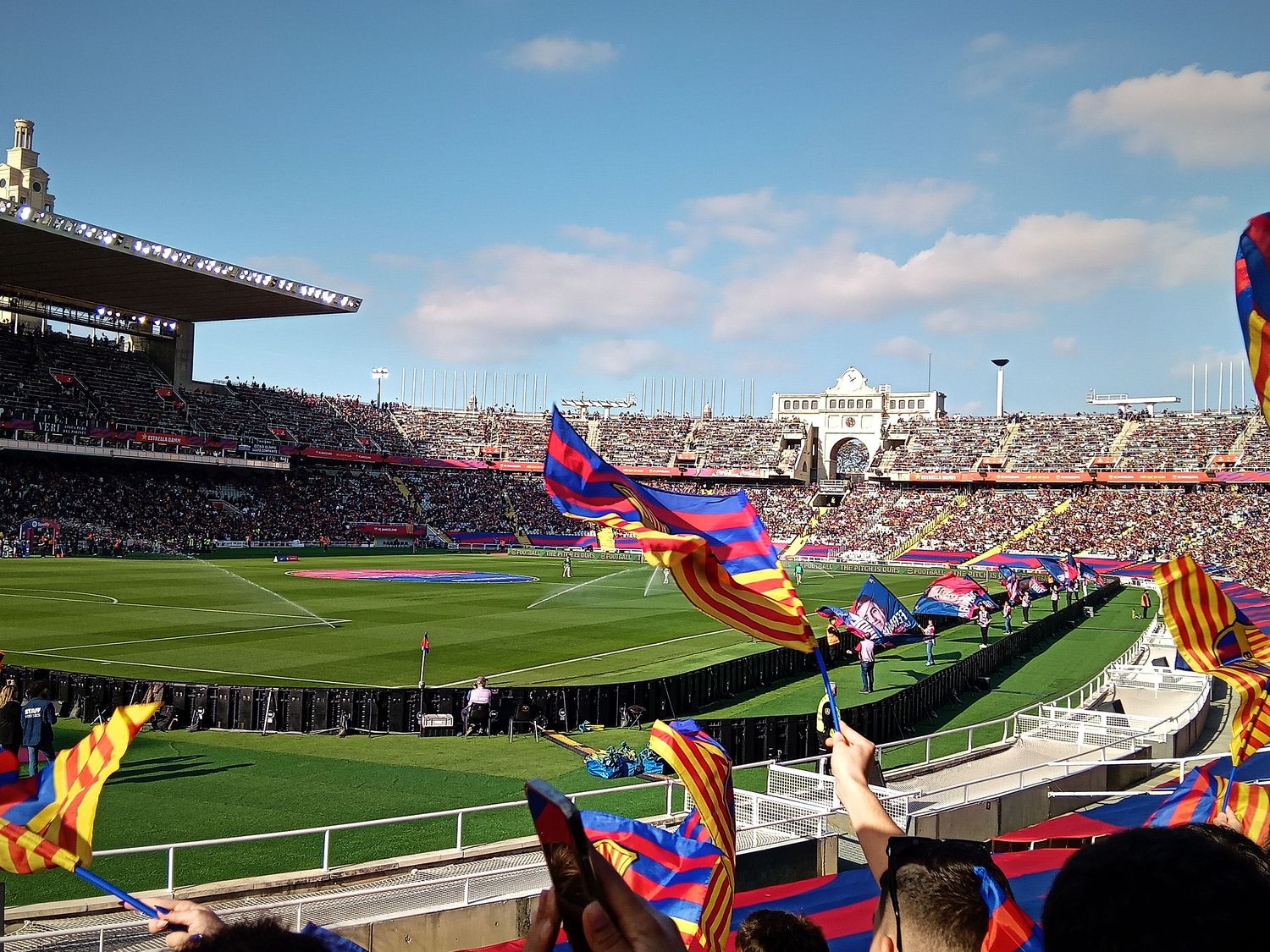
Barcelona FC Las Palmas in the Luis Enrique Stadium in Barcelona, Spain.
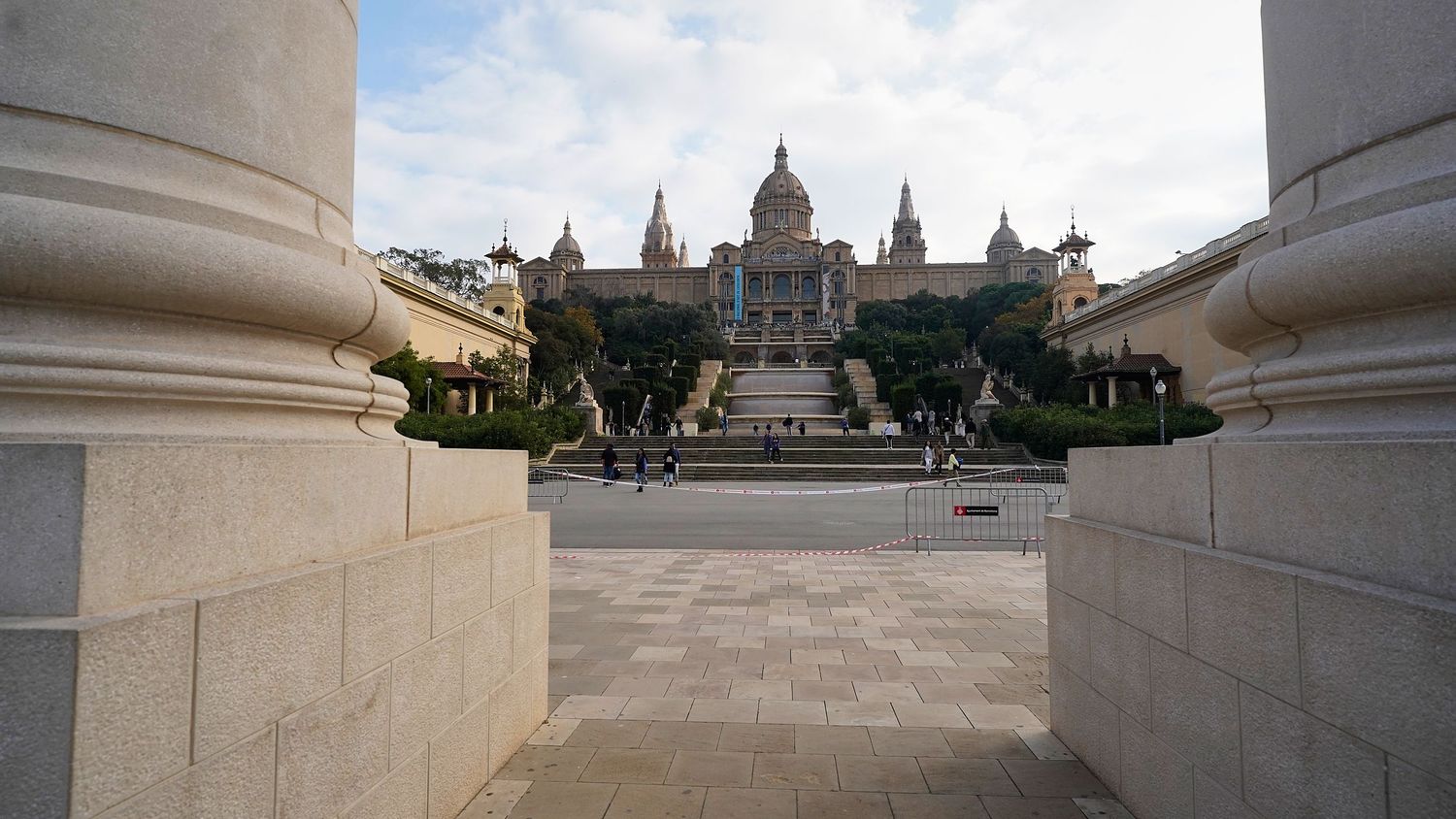
National Art Museum of Catalonia in Barcelona, Spain.
1st December 2024-Last Day in Barcelona:
- The most eventful day of my day in Spain would be our last day in Barcelona. This would start with first of course grabbing breakfast from the 365 cafe, eating it in our room and then leaving the hotel, to get a cab that took us directly to Barcelona beach, which took 40 minutes. The beach was very sparse, runners were running down the sidewalks, a local was playing with her dog and further up the beach was a group of people playing volleyball. The sand was very soft and coarse and a long sidewalk laid to one side of the beach comprised of tourist shops and restaurants. As I treaded on the sand and headed towards the water, I kneed down to touch the water and as expected it was cold. Whilst kneed down I heard the water repeatedly go back and forth furiously hitting the beachhead and the nearby large rocks. The beach reminded me of those typical sandy beaches you see in Los Angeles with those white-planked sidewalks. Two sailboats and a yacht could be seen on the sea, the sky was clear, the sun shone down on the sea and there was a light breeze in the air. On the sidewalk, a police car patrolled the beach and shop owners were opening their stores, in the hope of luring tourists into their store and purchasing something. There was also an oddly designed hotel ahead of me, it was very tall and bizarrely resembled Tony Stark's building from The Avengers movies and away from the beach, in the distance towards the port I could make out a cable car.
- As we next travelled towards Montjuic Castle, we surprisingly came across the Barcelona Marathon, which diverted our plans which was okay, as this led us through the Gothic Quarter and seeing the Cathedral of Barcelona. The Cathedral was grand, stood out from the surrounding environment and stood high up adjacent to the surrounding buildings, the exterior was white and it espoused a neo-gothic architectural style. The building dates back to 1913 and was designed by Jaume Fabre. Once we were done admiring the cathedral, we went to a main street to get a cab to our destination. The streets at first were very empty and the building's styles were fairly traditional mixed with modernity but once we reached the cathedral, the streets became more filled with people, life and vehicles. Like the streets of London, some streets were filled with market stalls geared towards Christmas. In the taxi, we must have taken at least a 40-minute drive directly to the castle but we would have to get out of the vehicle and walk to the castle due to the ongoing marathon barrier restrictions. The walk was worth the wait, as when we reached our destination, I couldn't help but feel amazed by the design of the castle, which was situated on the other side of a small bridge. Montjuic Castle is a grand fortress that consists of four bastions, two located on the curtain wall corners which make up the main facade and the other are located on the outer wall. The origins of the fortress can be traced back to 1640 during the Catalan Revolt when Spain's authority was challenged by the Principality of Catalonia. Since its inception, the castle has been used to bombard and defend Barcelona. Throughout the years, the purpose of the castle changed from a military base that stored garrison and weapons to a place of torture and imprisonment during the 19th Century to 1963 but nowadays it has been transformed into a military museum for tourists and locals to visit. In front of the castle's entrance was a large viewpoint that overlooked the nearby port. We then walked across a bridge which went over a large garden below with two insignias on either side and entered the building, stored our bags in a locker and explored the castle. The castle was enormous and inside it, were exhibitions but once I walked to the roof of the castle, I was amazed and breath taken by the high viewpoint of the city and port below us and on top were two decommissioned artillery guns.
- We next made our way to our next destination, The Catalan Museum of Archaeology which was amazing to see as they had exhibitions showcasing items from the Middle Palaeolithic era which housed a bone from a Neanderthal, which was enthralling and surprising to see. This museum was founded in 1932 by the Republic Generalitat and the building houses many items from excavations significant to Spanish history. I also enjoyed getting to see items from significant periods of history which were on display in their current exhibitions of The Roman Histories, The Bridge of the Blue Sea: Phoenicians and Greeks in the Mediterranean to the Prehistories Catalonia before Catalonia, Shipwrecks: Submerged History and to the Dream Museum. I was very excited to see these exhibitions and I was deeply fascinated by the history and items on display in regards to prehistory and ancient history exhibitions.
- We then hurried to the nearby National Art Museum of Catalonia and saw some exhibitions that we weren't able to see yesterday due to our jam-packed schedule. The National Art Museum of Catalonia which is situated in the Palau Nacional of Montjuic was created in 1929 for the sole purpose of the 2nd Worlds Fair held in Barcelona. However, it wouldn't be until 1932 when it opened its doors at the Art Museum of Catalonia, that it brought together its medieval collection, in 1935 new rooms of Romanesque art were included but it wouldn't be until 2004, that modern art would be put on display in the museum. The museum, the fountain and the Sala Oval Square were much nicer to see in the daytime as opposed to the evening and I was awestruck not only by the view but the various architectural styles on display that surrounded the museum. To me it felt very postmodern, as it consisted of a mixture of Romanesque, Catalan Modernisme and Venetian, it was like I had been transported to Las Vegas but without the casinos or its over-the-top spectacle.
- Afterwards, we walked down Las Rambla's a street kind of like Bond Street in London, with its high-end restaurants, hotels, shops and people walking down the road, as people either got into or out of bright yellow taxis reminiscent of the ones from New York. We next grabbed some food from a nearby restaurant called Honest Green, I tried the Ginger Honey Goat meal which tasted delicious. I still sometimes crave that food and kind of wish that restaurant was in the UK.
- Later on, we walked to Palau Guell, another Gaudi-inspired house, The house was built by the renowned Spanish architect Antoni Gaudi between 1886 and 1890 from a commission that was funded by the industrialist and politician Eusebii Guell and evokes an art nouveau architectural style. In 1945 his daughter donated it to the Barcelona Provisional Council on the grounds it be preserved and used for cultural purposes. The building is now recognised as a UNESCO-declared World Heritage site and is fundamental to understanding the architectural style of Gaudi. The building contained sentimental items from Gaudi's stay such as a piano, on the ground floor were two large doors that were open and inside was a massive gold-platted gate. In general, the interior was very minimalistic but the view from the rooftop with its odd-shaped colourful conned obelisks lit along with the amazing view was a sight to see.
- From that moment, we realised that we had accomplished seeing every site that we wanted to see in Barcelona, so with time to kill, we took a stroll through a few streets and came across the Cathedral of Barcelona. A large number of people frequented outside the cathedral, I took my time slowly walking and glancing at the Christmas lights on either side and overhead. The market stalls were full of Christmas items. Whilst walking down an alleyway, we came across a Christmas shop, which as you can imagine featured many items associated with Christmas which had a short queue outside. The only shop I thought that I could recall with more outlandish holiday features or more obsessed with the holiday of Christmas was a shop I entered in Reykjavik, Iceland which as I recall was like entering Santa Claus's workshop. We then ordered some churros from a shop, the churros were hot, covered in sugar and smothered in chocolate. Once the food cooled down we ate it, the churros were crispy on the outside but inside it was tender. We also explored some more streets and passed by some shops before we hailed a cab to take us to the airport for our flight at 9:25 pm back to Gatwick Airport in the UK.
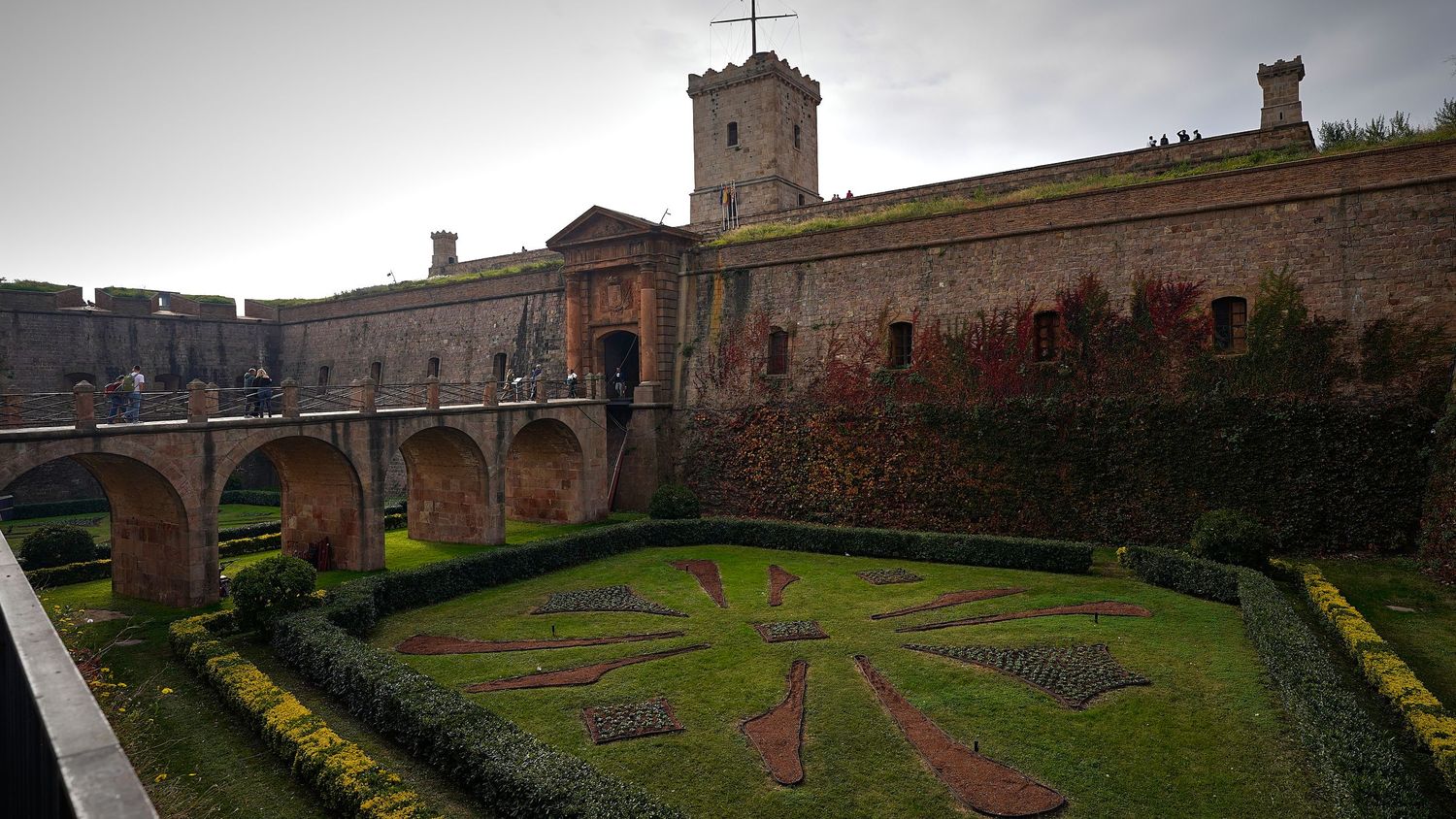
Montjuic Castle in Barcelona, Spain.
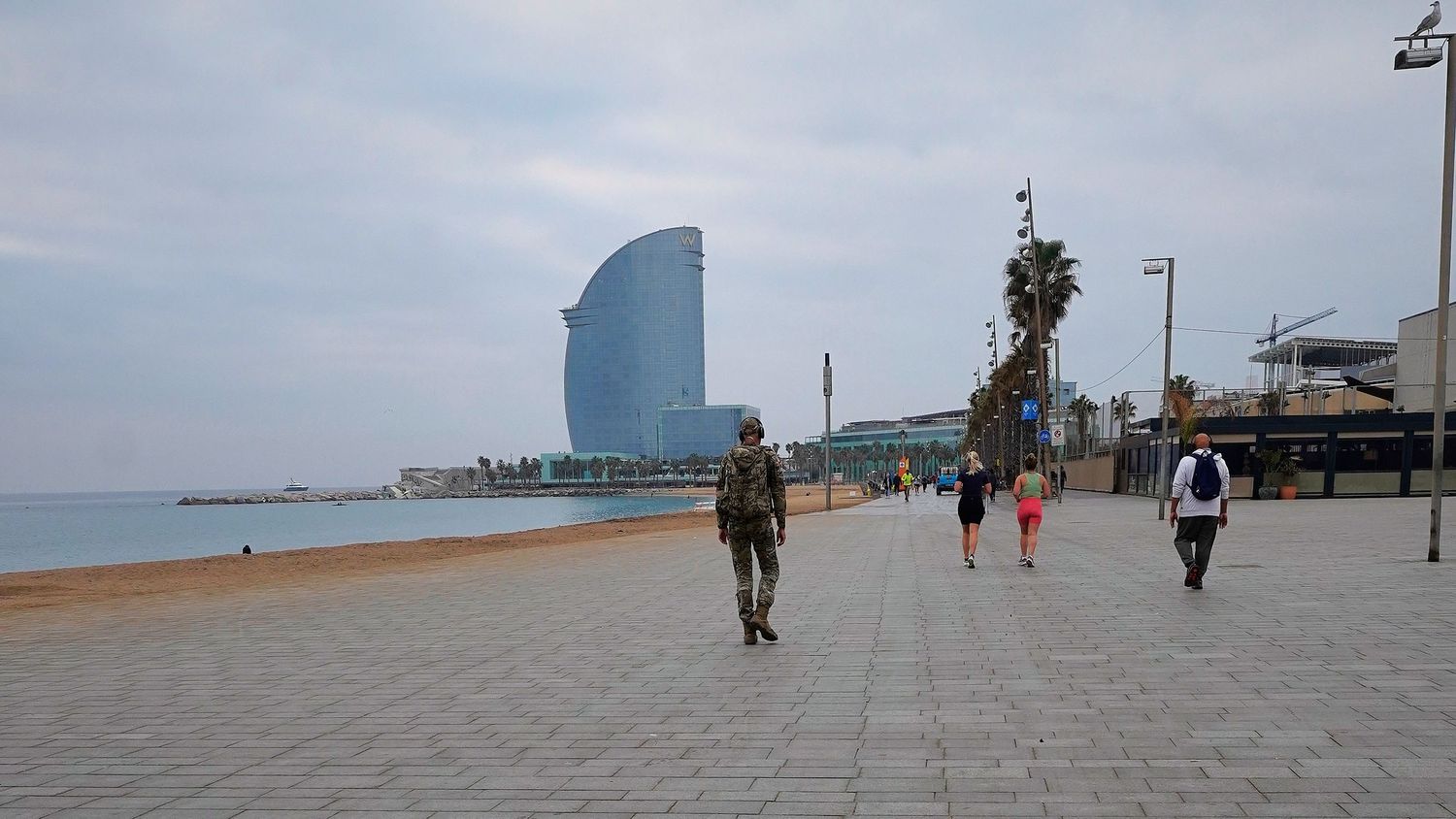
Barcelona Beach in Barcelona, Spain.
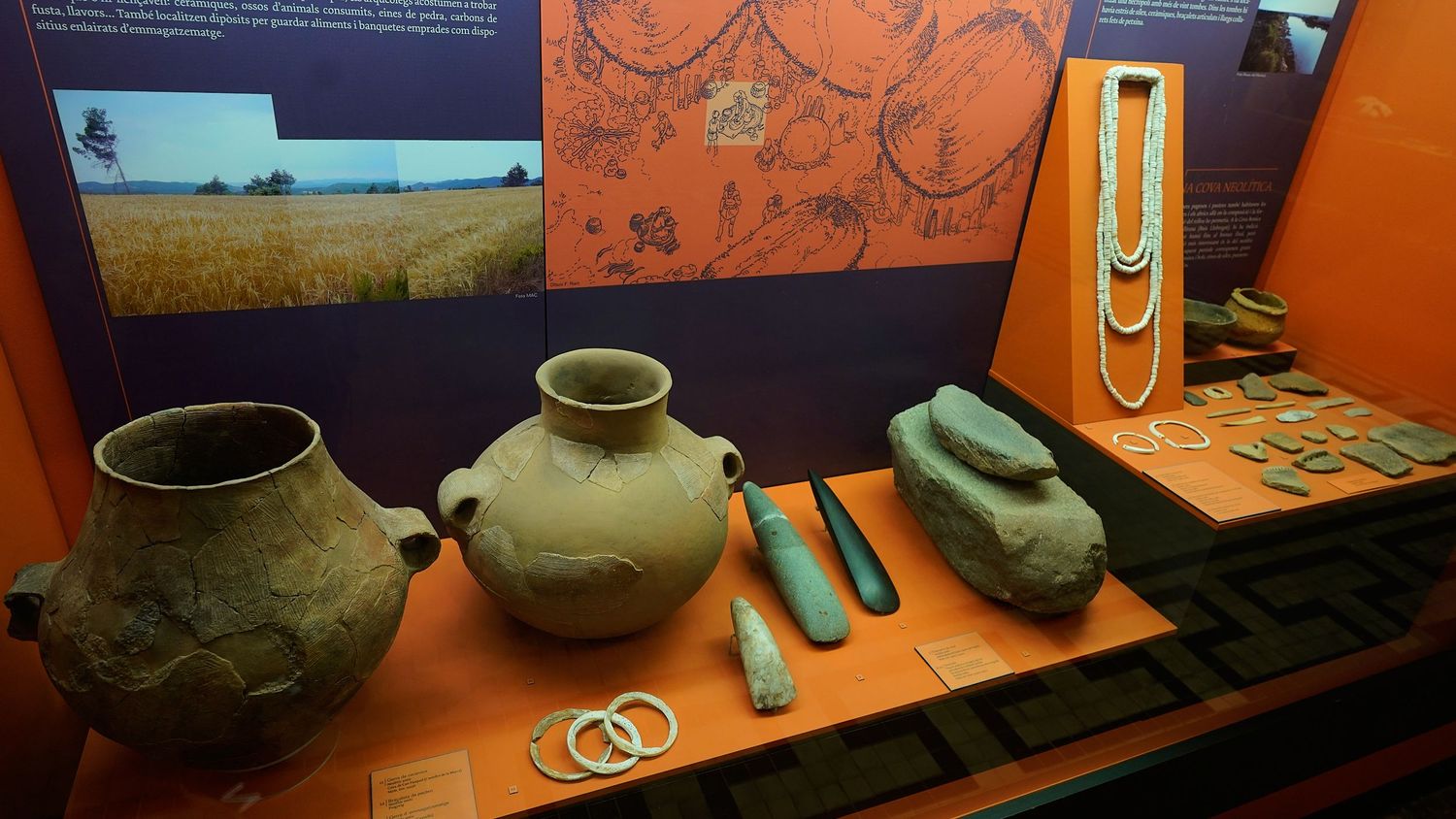
Historical Items on display at the Catalan Museum of Archaeology in Barcelona, Spain.
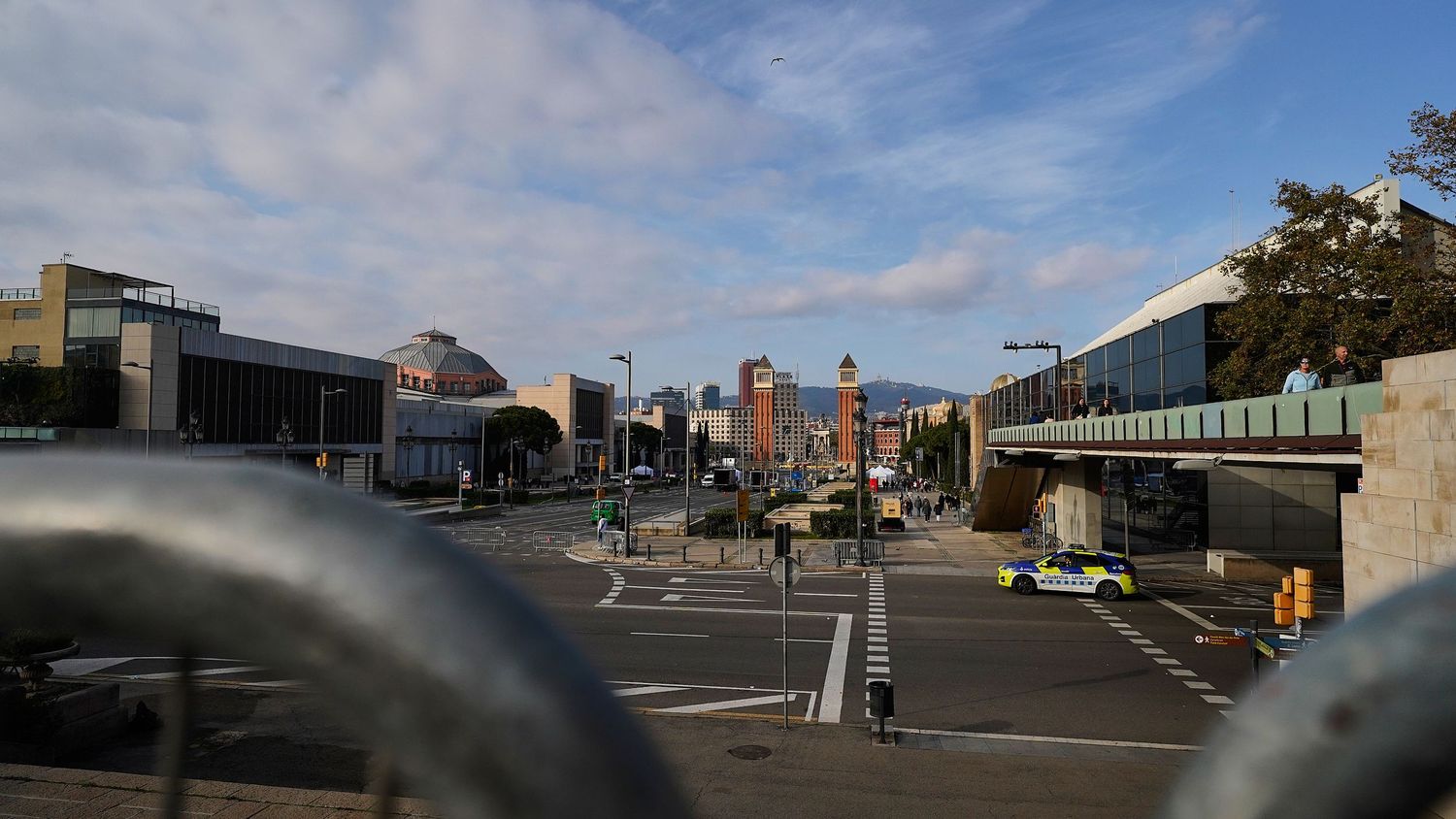
Avenue de Ruis i Taulet in Barcelona, Spain.
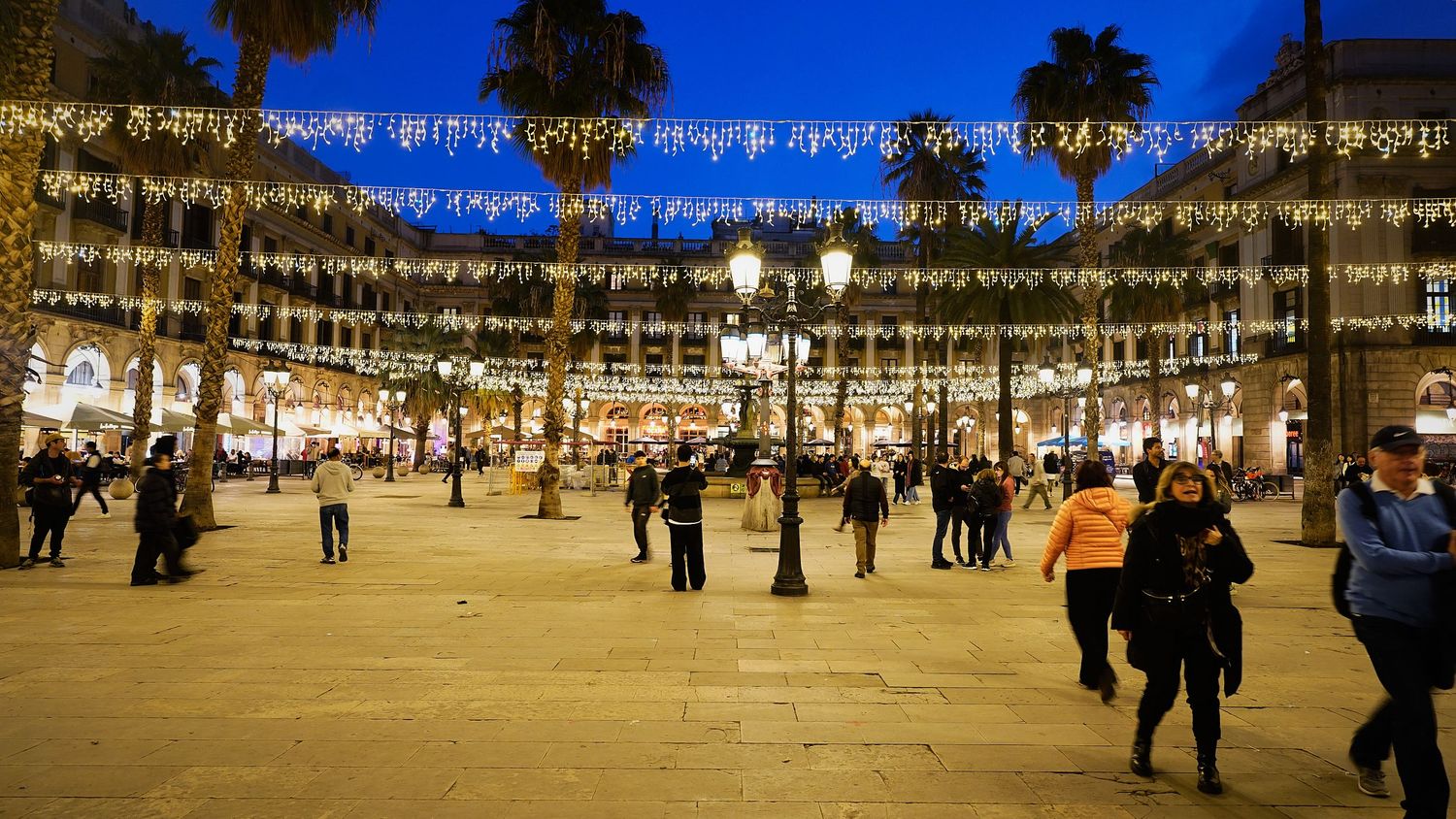
Plaça Reial in Barcelona, Spain.
Barcelona or Barna as the locals know it is a remarkable city, with its distinctive identity which is espoused by its unique historical origins, cuisine, language, artistic endeavour and architecture that always pushes the boundaries of creativity, ingenuity and vision. From my travel experience in this Catalonian city, I enjoyed every single moment of my stint in the city, as I was particularly glad to see the tourist attractions of Sagrada Familia, Parc Guell, the abbey in Montserrat and Montjuic Castle. The reason why I liked those places was because I was awestruck by the beautiful design and intricate details of those landmarks but also I could see how deep-rooted in history and Catalan identity these landmarks were. In my opinion, Barcelona is a vibrant atmospheric city, burdened by past historical events that struggles to create and maintain a modern identity. From my experience, I would say that the locals are very helpful, friendly and there is a good number of restaurants to eat at, whatever dietary lifestyle you follow. However, I do wish that at times from experience in Barcelona, I would have liked to experience more Spanish dishes, as I felt in that regard, I only touched the surface of Spanish culture but this was not meant to be. I would recommend people travel to Barcelona if they have the chance especially in the summer but for myself, I don't see myself ever returning to that region of Spain in my lifetime unless I need to return to thank the Black Madonna for granting my wish but I will look back on those memories with fondness and excitement. I don't think there are any further words I could use to best describe my experience in Spain but I'll leave you with these two quotes "Like Spain, I am bound to the past" (Borough, 2013) & “Barcelona is a very old city in which you can feel the weight of history; it is haunted by history. You cannot walk around it without perceiving it.” (Carlos Ruiz Zafon, 2014-2015).
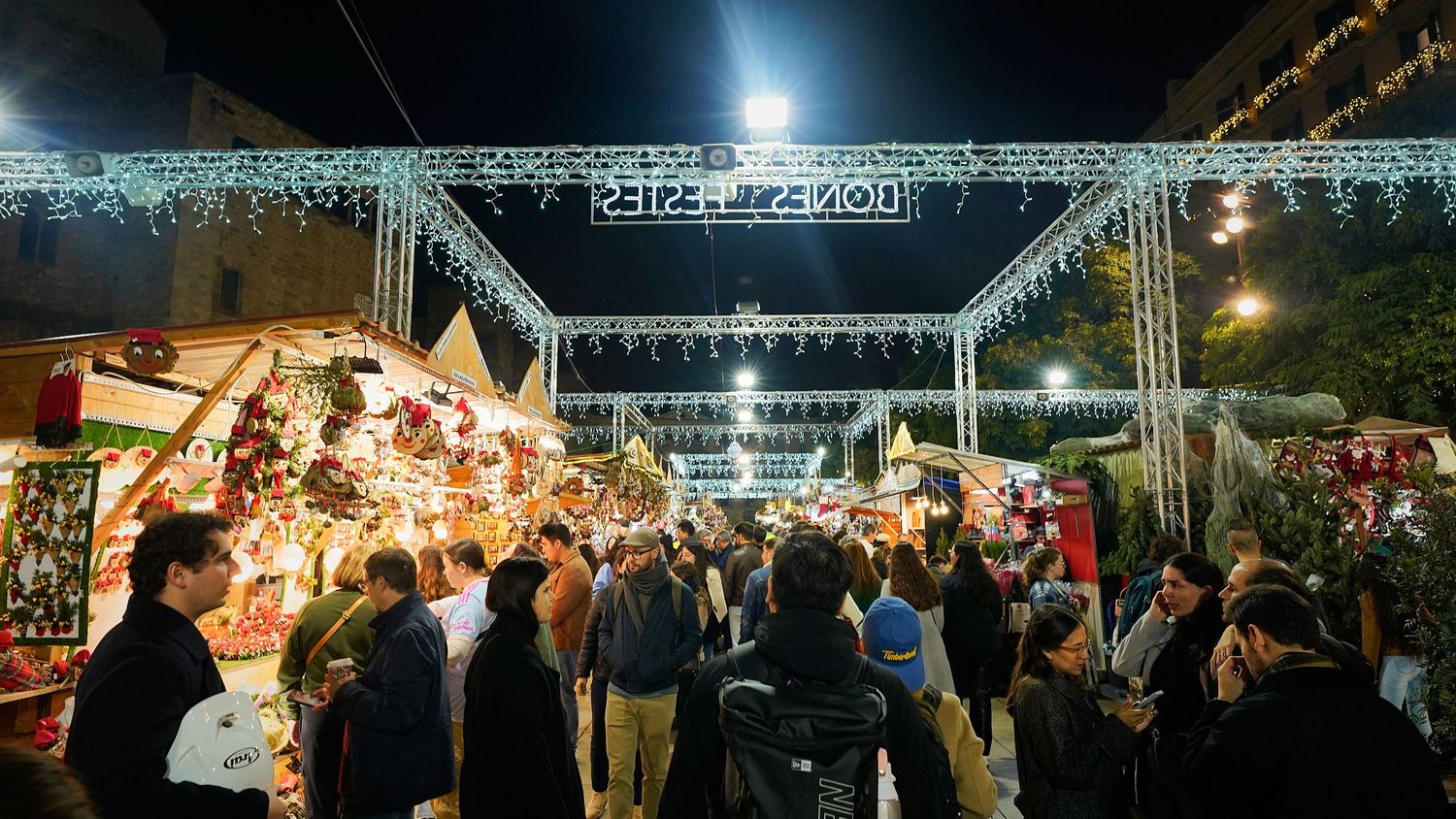
The Fira De Santa Llucia Christmas Market in Barcelona, Spain.